Biggest Gr Iii Buying Mistakes (And How to Avoid Them)
Introduction
The Gr Iii has become a shorthand in enthusiast circles for a compact, high-performance camera that prioritizes image quality and pocketable convenience. Whether a buyer is a street photographer seeking discretion, a traveler wanting something lighter than an interchangeable-lens kit, or a hobbyist who values tactile controls, the Gr Iii often appears near the top of consideration lists. That popularity brings pitfalls: buyers make predictable mistakes when choosing, using, or evaluating this camera that can lead to disappointment or regret.
This article outlines the most common Gr Iii buying mistakes and provides practical advice to avoid them. It combines real-world use cases with hands-on purchasing guidance, a focused product analysis, a comparison context, and a pointed buying guide so the prospective buyer can make an informed choice and get the most from the Gr Iii if it’s the right fit.
Common buyer mistakes — overview
Before diving into the product analysis, it helps to see the common errors at a glance. These mistakes repeat across experience levels:
- Choosing a camera based only on the “pocketable” label without testing ergonomics or control layout for extended use.
- Assuming a fixed-lens compact can replace an interchangeable-lens system for all situations.
- Ignoring real-world low-light performance or the need for external batteries and backup solutions.
- Overlooking firmware history, maintenance, and known mechanical issues when buying used.
- Underestimating the learning curve of manual controls and custom settings—expecting it to “just work” like a smartphone.
Detailed product review and analysis: Gr Iii
In evaluating the Gr Iii, buyers should separate what the camera is designed to do from what it is not. The Gr Iii is purpose-built: a high-image-quality compact with a fixed wide-angle lens, small footprint, and a design that favors speed and discretion. That focus produces distinct strengths and compromises.
Build, handling, and ergonomics
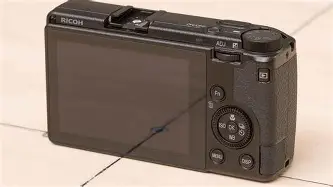
The Gr Iii’s primary selling point is its pocketability. For street photographers who spend long hours walking, the ability to carry a serious camera without a bag is transformative. However, a small body often means tighter button spacing, less grip, and smaller dials. Buyers who plan multi-hour shoots or who have larger hands should try the camera in hand before purchase. The tactile feel of controls—shutter button placement, the responsiveness of the exposure compensation dial, and the layout of quick-menu functions—matters far more in practice than on paper.
Real-world use case: a documentary photographer who alternates between handheld walking and quick tripod setups will appreciate a machine that balances compactness with an ergonomic, sure grip. If the Gr Iii feels fiddly after 90 minutes of shooting, it will affect willingness to use it in the field.
Image quality and lens characteristics
Gr Iii models typically use an APS-C size sensor in a compact body, which delivers image quality beyond most small-sensor compacts and smartphones—especially in dynamic range and color rendering. The fixed lens contributes to sharpness and optical performance tuned for the sensor; however, a fixed focal length means composition requires moving the feet rather than zooming.
Buyers who want a single-camera solution for everything may find the fixed wide-angle lens limiting in portraits or distant subjects. Conversely, street and environmental photographers who value perspective and context will find the lens ideal. Understanding how often a buyer will encounter situations that require longer focal lengths will determine whether the Gr Iii fits their shooting habits.
Autofocus, responsiveness, and shooting experience
The Gr Iii is designed for fast access and simple operation: dedicated control dials, custom function slots, and responsive menu shortcuts. Autofocus systems have been improved across generations to better lock on faces and move quickly in contrast-rich scenes. Yet, in low-contrast or extremely low-light scenarios, buyers should temper expectations—no compact with a small lens and a compact body can match the autofocus performance of a full-frame mirrorless system with large-aperture lenses.
Photographers who prioritize decisive action shooting—sports, fast-moving subjects, or wildlife—should consider whether a fixed-lens compact meets the speed demands of those genres.
Portability vs. battery life and accessory needs
Portability often comes with the compromise of smaller batteries. Heavy users will need spare batteries or a power plan. Likewise, accessories such as grips, external flashes, or small tripods may be necessary depending on how the camera will be used; budget for these when deciding on the overall value proposition.
Software, firmware, and long-term support
Firmware updates can meaningfully improve experience—better autofocus behavior, de-noising, or usability tweaks. Buyers should research the manufacturer’s track record for updates and how active the user community is in identifying and resolving quirks. For used purchases, check whether the camera has been updated and whether any service records exist for repairs such as shutter replacements.
Shop the latest Electronics picks on Amazon.
Shop Amazon →Pros & Cons
Pros
- Exceptional portability: Designed to be carried comfortably all day, encouraging more shooting opportunities.
- High image quality for a compact: APS-C sensor with good dynamic range and color fidelity compared to small-sensor compacts.
- Discreet operation: Quiet, unobtrusive design ideal for street photography and candid work.
- Fast access to manual controls: Dedicated dials and custom buttons speed up operation for experienced shooters.
- Sharp fixed lens: Optimized optical path yields strong corner-to-corner sharpness within its focal length.
Cons
- Fixed focal length: Lack of zoom requires physical movement or a second camera for tight framing and telephoto needs.
- Battery life: Compact size often means fewer shots per battery—extra batteries are essential for long days.
- Ergonomic compromises: Smaller control surfaces may be less comfortable for users with larger hands or gloved shooting.
- Low-light limitations: While image quality is strong, the small lens aperture and compact body limit available light performance compared with larger systems.
- Higher initial cost per focal capability: Getting a comparable focal range requires additional gear or a different camera system.
Comparison table (Gr Iii and relevant alternatives)
The following comparison highlights practical differences a buyer typically considers: focal approach, intended use, portability, and system expandability. This table is intended to guide a user-level comparison rather than list exact spec numbers.
| Feature / Camera | Gr Iii (compact fixed-lens) | Gr Iii x (alternate focal length) | Small mirrorless kit (interchangeable lenses) | Premium compact (fixed, hybrid design) |
|---|---|---|---|---|
| Primary use | Street, travel, everyday carry | Street, portrait-friendly compact | Versatile pro/am use across genres | Travel, style-conscious users |
| Portability | Very high | Very high | Moderate to low (depends on lenses) | High |
| Focal flexibility | Fixed wide-angle | Fixed standard/short-tele | High (interchangeable lenses) | Fixed but often optimized for general use |
| Ergonomics for long shoots | Moderate (compact compromises) | Moderate | Better with larger bodies/grips | Generally better than ultra-compact |
| Upgrade path | Limited (accessories only) | Limited | Excellent (lenses, grips, batteries) | Limited |
| Cost-effectiveness for single-purpose use | Excellent for street/travel | Excellent for its focal length | Better long-term for multi-genre use | Good if the design matches needs |
Buying guide: Avoid these mistakes
Buying a Gr Iii or similar compact requires more than checking a spec sheet. The following guide addresses typical buyer questions and recommends concrete steps to avoid regret.
1. Don’t buy purely on pocketability
Why it’s a mistake: Pocket-sized is valuable, but daily usability depends on how controls feel and how long the buyer can comfortably operate the camera.
How to avoid it: Handle the camera for at least 10–15 minutes in a store or with a friend’s unit. Try common tasks—change ISO, adjust aperture or exposure compensation, and enter the quick menu. If the camera feels cramped during these actions, consider a model with a better grip or plan to use a small thumb grip accessory.
2. Understand the implications of a fixed lens
Why it’s a mistake: Buyers sometimes assume the fixed focal length is a temporary inconvenience. In real…How to avoid it: Assess typical shooting scenarios for focal length needs. If a buyer frequently shoots events, distant subjects, or wants close-up compression portraits, a fixed wide-angle may be limiting. Rent or borrow a camera with a similar focal length for a weekend to test whether the fixed perspective matches the intended use.
3. Don’t ignore battery and power workflow
Why it’s a mistake: A powerful compact is only useful if it stays powered during the time the buyer needs it.
How to avoid it: Check the real-world shot count (user reports are more useful than manufacturer claims). Plan to buy at least one spare battery and a small external charger. If shooting a long day of events or travel, a lightweight power bank and a camera-compatible USB charging solution can be essential.
4. Beware of used-market pitfalls
Why it’s a mistake: Buying used can provide value, but it requires due diligence—mechanical wear, sensor issues, or firmware versions can affect long-term satisfaction.
How to avoid it: Inspect shutter actuation where possible, verify that the lens and sensor are clean and free of fungus or haze, ask for proof of factory service for major repairs, and confirm the return policy. Check community forums for known age-related issues and whether replacement parts are readily available.
5. Don’t ignore ergonomics when wearing gloves or in cold conditions
Why it’s a mistake: Compact buttons aren’t always glove-friendly. Buyers who shoot outdoors in winter or wear gloves frequently can find the camera hard to manipulate.
Looking for the best Electronics deals on Amazon?
Browse Now →How to avoid it: Test the camera with gloves similar to what will be worn in the field. If controls are impractical, consider third-party accessories or a different model with larger dials.
6. Learn the interface before assuming it’s simple
Why it’s a mistake: The Gr Iii is aimed at users who want manual control, but those controls require configuration and learning. Expecting smartphone-like simplicity will create frustration.
How to avoid it: Spend time with the manual and online tutorials. Set up custom function buttons for the three or four settings used most often. Practice shooting in various modes so workflow is reflexive when in the field.
7. Don’t expect DSLR-style autofocus in all situations
Why it’s a mistake: Compact systems can have excellent AF for their class, but performance depends on light, contrast, and subject motion. Buyers expecting pro-level tracking may be disappointed.
How to avoid it: Identify the primary subject types and test autofocus in representative conditions—both bright daylight and dim interiors. Decide whether the camera meets the necessary performance for intended subjects.
Real-world scenarios: which buyers should choose Gr Iii and which should not
To make the decision concrete, consider these representative buyer profiles.
Good fit
- Street photographers who value discretion and a wide-angle perspective.
- Travel photographers who want to travel light and still capture high-quality images.
- Everyday shooters who want better image quality than a smartphone without carrying a bag full of lenses.
Poor fit
- Sports and wildlife photographers who need variable focal lengths and high-speed AF tracking.
- Photographers who primarily shoot tight portraits or distant subjects where a longer focal length is repeatedly required.
- Those who value an interchangeable-lens upgrade path and system extensibility above compactness.
Checklist before buying
Use this short checklist to avoid the most common buying mistakes.
- Try it in hand for at least 10–15 minutes and simulate typical shooting tasks.
- Test autofocus and image quality in the lighting conditions most commonly encountered.
- Plan for extra batteries and consider the charger/power options.
- If buying used, ask about shutter count, firmware version, and service history.
- Decide whether the fixed focal length matches the primary photographic goals.
- Read recent user reports and firmware notes for model-specific quirks or improvements.
Conclusion
The Gr Iii is a compelling choice for photographers who prioritize portability, image quality, and a minimalist shooting style. Its fixed-lens approach rewards movement and compositional skill, and its compact design encourages shooting more often. However, the very traits that make it attractive also create the most common buyer pitfalls: ergonomics traded for pocketability, limited focal flexibility, and practical considerations such as battery life and accessory needs.
Avoiding these mistakes is straightforward: handle the camera before buying; test it in representative shooting conditions; plan for power and accessories; and be realistic about whether a fixed-lens, compact design matches the buyer’s photographic goals. With those steps, a buyer can determine whether the Gr Iii is a lifelong pocket companion or a worthwhile interim tool on the path to a larger system.