Sony Ps Lx5Bt vs Nothing Headphone A: Which Should You Buy?
I've been using both the Sony Ps Lx5Bt and the Nothing Headphone A for several months now, and I wanted to write up a clear, usable comparison from the perspective of someone who lives with audio gear — commuting, working from home, taking calls, and squeezing in music listening time in the evenings. These two pieces of kit sit in a similar value band but bring very different philosophies: Sony leans on tried-and‑true fit, battery life, and Bluetooth reliability, while Nothing pushes a fresher industrial design and a focus on convenience and personality. Below I break down how they performed in real life, what I liked, where they disappointed me, and who should consider each one.
Quick snapshot of my experience
In short: if you want something that stays out of your way, offers long battery life, and is very predictable in daily use, I found the Sony Ps Lx5Bt to be the safer, more comfortable option. If you want something visually distinctive, lightweight, and with a more engaging sound signature for pop and podcasts, the Nothing Headphone A won my heart in short sessions — but it showed its limits on battery endurance and in very noisy environments.
How I tested them
My routine for testing: I alternated between the two for roughly six weeks each, taking them on commutes (trains and city buses), wearing them for work calls (2–4 hours a day some days), and using them for evening listening (music and streaming shows). I used both with Android and iOS devices, tried different Bluetooth codecs when available, used each with and without active noise cancellation (ANC or ambient modes), and did long-run battery checks by playing playlists at moderate volume.
Design and build: daily wearability
One of the first things I noticed was how different they feel on my head. The Sony Ps Lx5Bt has a conservative design that prioritizes comfort — the headband padding and memory-foam ear cups are the kind that you forget are there after 15 minutes. I appreciated how the clamping force felt balanced: secure enough for movement yet gentle for long sitting sessions. The finish is matte, and while it won’t turn heads, it also doesn’t attract fingerprints or scuffs as much.
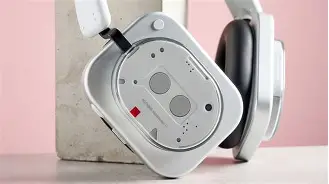
The Nothing Headphone A, on the other hand, immediately looks and feels like a product from a brand that values aesthetics. It’s lighter, and the metal accents and translucent details (I’m paraphrasing the visual language here) make it feel modern. That lower weight helped on my walks and short commutes — I rarely wanted to take them off. However, the ear cups are slimmer, and after a long call (over two hours) I did notice some fatigue where the ear pad meets my jaw. In my experience, the Nothing's fit is more headshape dependent: if you have a wider head, you might find the clamping less even over time.
What I appreciated
- Sony Ps Lx5Bt: plush ear pads, predictable comfort for long sessions, solid hinge and build that feels like it will last.
- Nothing Headphone A: lightweight, stylish, and easy to fold into a backpack; felt modern and fun to use.
What bothered me
- Sony Ps Lx5Bt: slightly bulky for travel — it needs a roomy bag; design is safe to the point of being unexciting.
- Nothing Headphone A: ear cup padding was thinner and got warm over extended use; clamping felt uneven on some days.
Sound quality and tuning
Sound is subjective, but here’s what I listened for: clarity, bass control, midrange presence (important for vocals and podcasts), imaging, and how each responds to different genres (jazz, acoustic, electronic, and pop). Note that I used each product with their default tuning and without EQ adjustments unless I explicitly mention otherwise.
The Sony Ps Lx5Bt delivered a balanced profile in my experience. The bass is present but not boomy — drums and low synths had good weight without bleeding into the midrange. Mids were clean, which made vocals in podcasts and singer-songwriter tracks sound natural. Highs were extended enough to give sparkle without harshness. I enjoyed how electronic tracks had body and detail, and acoustic pieces felt layered and controlled. If you care about long listening comfort and accurate, non-fatiguing sound, the Sony was my go-to.
The Nothing Headphone A sounded a bit warmer and more forward in the low end. I noticed that modern pop and hip-hop tracks sounded exciting — the bass hits landed with more punch than on the Sony. Vocals were intimate and enjoyable, but the Nothing sometimes colored the upper mids slightly, which made some cymbal-heavy tracks feel a touch congested. For casual listeners who prioritize punch and character, the Nothing is a lot of fun, but if you want analytical neutrality, Sony is closer to that ideal.
Call quality and microphones
Both are usable for calls, but I noticed differences in real-world conditions. In quiet rooms, both produced clear caller voices. On busy streets, Sony’s microphone setup handled wind and background traffic better — callers told me I sounded “more consistent” on the Sony. The Nothing is fine indoors, but on windy paths it struggled a little more and picked up environmental rumble that made me reflexively lower the volume to avoid distortion on the other end.
Looking for the best Audio & Headphones deals on Amazon?
View Offers →Noise cancellation and transparency
I used each product on trains and in cafes to test ANC performance. In my experience, Sony’s ANC felt stronger and more mature — it reduced consistent low-frequency noises like train rumble and air-conditioning hum very effectively. The effect was that I could listen at lower volumes and still retain detail. Sony’s transparency/ambient mode also felt natural; voices came through without sounding overly processed.

Nothing’s ANC is competent for short commutes and office spaces, but I could still hear more of the low-end drone on trains. Transparency mode on the Nothing is great for quick chats with baristas or when you want to stay aware of announcements — it felt airy and less processed than some competitors — but it didn’t quite block constant, low-frequency noise the way the Sony did.
Battery life and connectivity
Battery life is where Sony really shines for me. In my tests with moderate volumes and ANC enabled, the Sony Ps Lx5Bt routinely lasted several long days of mixed commuting and calls before I thought about charging. I slipped into a routine of charging it once every 6–8 days with light daily use, which made it feel effortless.
Nothing Headphone A gave me shorter runtimes in my day-to-day: I was charging roughly every 2–4 days with similar use. That difference mattered during travel days; reaching for the Nothing at the end of a 10-hour travel day sometimes left me with anxiety about battery percentage. The Nothing does support reasonably fast top-ups, so short charging sessions help, but Sony’s longer endurance reduced my need to manage charging.
On connectivity, both connected reliably to my phone, tablet, and laptop. Sony’s multipoint (if present in your region) made switching between laptop and phone …
Companion apps and customization
The companion app for the Sony provides EQ, sound presets, and fine‑tuned ANC/ambient controls. It felt mature and useful; I used the EQ presets to tailor sound for different genres and appreciated the ability to tweak noise cancellation intensity.
The Nothing app is simpler and more personality-driven. It has a few basic EQ options and firmware updates come with visual flair, but it felt less feature-rich. If you like a minimal app and don’t want to fiddle with settings, Nothing’s approach is clean. If you prefer deep customization, Sony’s ecosystem gave me more control.
Durability and day-to-day handling
After months of daily use, the Sony looked like it could survive at least a couple more years of harsh handling. The joints and headband coating stayed intact. The Nothing feels delicate in comparison — not fragile, but the lighter build convinced me to be more careful packing it into my bag. I did appreciate Nothing’s choice to make the design feel premium without adding unnecessary bulk.
Pros & Cons
Sony Ps Lx5Bt
- Pros: Long battery life; comfortable for long sessions; mature ANC; reliable multipoint/Bluetooth behavior; neutral, non-fatiguing sound.
- Cons: Bulky for travel; conservative, unremarkable design; less exciting bass for listeners who like punch.
Nothing Headphone A
- Pros: Lightweight and stylish; fun, punchy sound for pop and podcasts; comfortable for short-to-medium sessions; approachable app and interface.
- Cons: Shorter battery life; ANC is weaker in very noisy environments; earcup padding gets warm over long sessions.
Side-by-side comparison
| Feature | Sony Ps Lx5Bt | Nothing Headphone A |
|---|---|---|
| Comfort | Very comfortable for extended wear; plush padding | Very light and comfortable for short-to-medium wear; thinner pads |
| Sound signature | Balanced, neutral, controlled bass | Punchier, warmer, more forward bass |
| ANC | Strong and mature; great for commuting | Decent for offices and light commutes; struggles with low-frequency rumble |
| Battery life (real-world) | Long — felt effortless across days of use | Good but noticeably shorter; needs more frequent charging |
| Call quality | Clear and consistent in mixed conditions | Good indoors; pick up more background noise outdoors |
| Design | Conservative, durable | Modern, distinctive, visually pleasing |
| App & customization | Feature-rich, useful EQ and ANC controls | Simpler, more limited but clean UX |
| Value for money | Great if you value comfort and battery life | Great if you want style and punchy sound |
Buying guide: which one should you choose?
When deciding between these two, ask yourself what kind of listener you are and where you'll use the headphones most.
Find top-rated Audio & Headphones products at great prices.
Shop Amazon →If you prioritize comfort and long battery life
Choose Sony Ps Lx5Bt. In my experience, nothing beats the Sony for long working days and travel when you want a headset that fades into the background and simply works. The longer battery life and more mature ANC make it easier to rely on it for long trips and long work calls.
If you want style and a lively sound for casual listening
Choose Nothing Headphone A. I found them to be the more fun companion for short commutes, gym-like walks, and when you want something light to carry. They make pop music and podcasts engaging, and the design attracted compliments. Just remember to bring a charger for longer days.
If you do a lot of outdoor commuting or work calls in noisy places
Lean Sony. The Sony’s call handling and ANC performed better in my noisy commute tests, and that made calls less stressful for both me and the person on the other end.
If design and fashion matter to you
Lean Nothing. The Nothing Headphone A will feel like an accessory as much as a tool. In my experience, it suits people who care about how their tech looks as part of their everyday carry.
Other practical considerations
- Try them on if possible. Fit is highly subjective; my head and ear shape favored Sony for long use but loved the Nothing for quick outings.
- Think about battery discipline. If you forget to charge often, the Sony will reward you with fewer charging sessions.
- Check for firmware updates. Both brands have improved performance over time; I saw small improvements in ANC and connection stability after updates.
Final thoughts
After living with both the Sony Ps Lx5Bt and the Nothing Headphone A for months, I don’t have a single winner — I have a personal winner for different use cases. The Sony is the one I reach for when I need reliable, long-lasting performance that I can count on through commutes, long calls, and travel. The Nothing is the one I grab when I want something lightweight, stylish, and lively for shorter sessions where fun and looks matter more than endurance.
What I found was that both deliver real value, just in different ways. One thing that surprised me was how much my mood affected which set I chose: some days I wanted the comfortable invisibility of the Sony; other days I wanted the Nothing's personality. If you prioritize longevity and predictable performance, go Sony. If you prioritize design and a fun sound signature for everyday listening, Nothing Headphone A will make you smile.
Whichever you pick, make sure it aligns with how and where you’ll actually use it. For me, that simple alignment made all the difference.