The Truth About the Noble Fokus Amadeus: Pros, Cons, and Verdict
Introduction
The Noble Fokus Amadeus arrived into a crowded high-end in-ear monitor (IEM) market with expectations attached to the Noble name: meticulous craftsmanship, a refined sound signature, and a focus on musicality rather than marketing hype. For listeners who weigh tonal accuracy, build quality, and long-term comfort heavily, the Amadeus has often been presented as a contender. This article examines the Noble Fokus Amadeus from multiple angles—design and build, fit and comfort, sound signature and technical performance, real-world use cases, and user concerns—to give a clear, practical verdict for prospective buyers.
What the Amadeus Aims to Be
At its core, the Noble Fokus Amadeus is positioned as an audiophile-grade IEM intended for listeners who prioritize a balanced, engaging presentation with strong detail retrieval. Noble traditionally targets discerning listeners and professionals who want a refined but musical experience for critical listening, casual enjoyment, or on-stage monitoring. Expectations for the Amadeus therefore include precise imaging, natural timbre, and a finish that justifies its place in the upper tier of consumer audio.
Design, Build, and Accessories
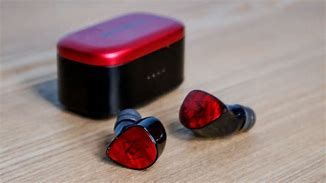
The Amadeus follows high-end IEM conventions: sculpted housings, careful nozzle geometry, and a tactile, premium finish. Noble's attention to ergonomic design is evident—shell contours aim to sit low in the concha, which helps with secure fit and passive isolation. The cable is supplied as a detachable, premium-grade assembly, with strain relief and comfortable memory-free braid or jacket material that minimizes microphonics. Accessories typically include a selection of tips (foam and silicone) and a protective case suitable for travel.
Practical buyers will appreciate that the Amadeus does not prioritize flash over function. The construction emphasizes durability and repairability: detachable cables reduce single-point failures and make aftermarket upgrades straightforward. For those concerned about longevity, the Amadeus aligns with the expectation that high-end earphones should remain serviceable for years.
Fit, Comfort, and Isolation
Fit and comfort are often decisive in the IEM purchase decision. The Amadeus is shaped for long listening sessions; its low-profile shells and smooth edges minimize pressure points inside the ear. Users with average to large ear canals typically find the Amadeus comfortable for extended periods. As with any IEM, tip choice is important: using foam tips that expand to conform to the ear canal generally improves bass extension and isolation.
Passive isolation is solid but not extreme—sufficient for most commuting and café environments, but users who need full noise cancellation for planes will still prefer active noise-cancelling solutions or heavier sealing universal molds. For on-stage musicians, the Amadeus provides a useful level of isolation while allowing enough awareness for stage communication when needed.
Sound Signature and Technical Performance
Describing the Amadeus's sound signature without resorting to numbers yields a clearer picture for real-world listeners. The Amadeus strikes a balance between analytical detail and musical warmth. Across genres—acoustic, jazz, orchestral, rock, and electronic—the IEM demonstrates consistent performance, making it versatile for both critical listening and casual enjoyment.
Bass
The low end of the Amadeus is controlled and articulate. It prioritizes definition over sheer quantity, which benefits acoustic instruments, bass guitar lines, and electronic tracks with complex low-frequency content. Sub-bass impact is present but not exaggerative, which prevents masking of mids and preserves clarity in dense mixes.
Mids
Mids are the Amadeus’s strong suit. Vocals and midrange instruments have natural timbre, with sufficient body to sound lively without appearing colored. The midrange maintains resolution and layering, so small expressive cues in voices and stringed instruments remain audible. This makes the Amadeus a good choice for vocal-centric listening and studio reference tasks where mid clarity matters.
Find top-rated Audio & Headphones products at great prices.
Shop Amazon →Treble is extended and controlled—articulate enough to render cymbal shimmer and string harmonics, yet tamed to avoid fatigue during long sessions. Detail retrieval in the upper frequencies supports imaging and air without becoming sibilant. This measured approach is beneficial for listeners who appreciate sparkle but dislike sharp or overly bright treble.
Soundstage, Imaging, and Texture
The Amadeus delivers a soundstage size that is slightly wider and deeper than many closed-fit universal IEMs. Its imaging capability is precise: instruments are placed clearly within the sound field, and layering separates foreground and background effectively. Textural cues—vibrato, pick noise, room ambience—are well preserved, contributing to an immersive but not exaggerated presentation.
Synergy and Source Pairing
While the Amadeus sounds very competent with smartphone sources, it truly benefits from clean, higher-quality amplification or digital-to-analog conversion. Pairing with a neutral or slightly warm DAC/amp tends to bring out midrange presence and smoothness, while very bright sources may make the treble feel more forward. The Amadeus is forgiving and pairs well across a range of gear, but buyers who prioritize maximum resolution will want a decent dedicated source.
Real-World Use Cases
Practical buyers often ask: "What will this do for me in daily life?" The Amadeus suits several common scenarios:…- Home critical listening — Detailed mids and controlled lows make it a strong contender for listeners who want an accurate but enjoyable sound for albums and high-resolution files.
- Studio reference and mixing — It can function as a secondary reference for tone and imaging, especially for vocal/instrument checks. Engineers should still cross-check on other monitors due to the inherent differences between IEMs and speakers.
- Travel and commuting — Passive isolation and compact form make it practical for daily travel; however, users seeking complete noise isolation might prefer custom-fit molds.
- Live and stage monitoring (monitor mixes) — The Amadeus can be used for in-ear monitoring where clarity and separation are required, while its level of isolation allows for onstage awareness when necessary.
What Buyers Typically Care About
Prospective buyers most frequently evaluate: tonal balance, comfort, build quality, compatibility with source gear, and long-term value. The Amadeus addresses these concerns by delivering a tonal balance that sits between musicality and analytical neutrality, a comfortable form factor for extended wear, and robust construction. For buyers who plan to upgrade cables or perform occasional maintenance, the detachable-cable approach adds meaningful long-term value.
Pros & Cons
- Pros:
- Refined midrange with natural vocal timbre
- Controlled, articulate bass that avoids bloom
- Extended but non-fatiguing treble
- Strong imaging and pleasant soundstage for an IEM
- Solid build quality and useful accessory set
- Detachable cable supports longevity and upgrades
- Cons:
- Not the most bass-heavy choice for those who prefer heavy sub-bass impact
- Some users may prefer a fully neutral reference for strict mixing tasks
- High-end price bracket limits accessibility for casual listeners
- Fit is excellent for many but may require tip changes or custom molds for certain ear shapes
Comparison Table
| Feature | Fokus Amadeus | Noble Savant | Campfire Andromeda | Sennheiser IE 900 |
|---|---|---|---|---|
| Sound Signature | Balanced, musical, mid-forward | Warm and lush | Bright, detailed | Neutral-analytical |
| Bass | Controlled, tight | Full-bodied | Present, textured | Precise, quick |
| Mids | Natural, clear | Warm and rich | Forward with detail | Very neutral |
| Treble | Extended, non-fatiguing | Rolled for smoothness | Airy and crisp | Detailed and finely resolved |
| Soundstage & Imaging | Wide for IEMs, precise | Good depth, warmer soundstage | Expansive and holographic | Accurate but intimate |
| Comfort | Very comfortable for most | Comfortable, slightly larger shells | Comfortable but fit-dependent | Excellent fit and finish |
| Best for | Audiophiles wanting musical accuracy | Warm, engaging listening | Detail-oriented listeners | Critical listeners seeking neutrality |
Buying Guide: How to Decide if the Amadeus Is Right
Choosing the right IEM depends on priorities. The following guide helps determine whether the Amadeus matches a buyer’s needs.
1. Define Listening Priorities
If the primary goal is natural vocal presentation and a balanced overall experience, the Amadeus is a suitable choice. If a listener prefers heavy sub-bass for modern electronic or bass-heavy pop, other models prioritize that profile more aggressively.
2. Consider Source Equipment
The Amadeus scales with source quality. Buyers with dedicated DACs or portable amps will extract more of the Amadeus’s nuance, but the IEM also performs respectably from mobile devices. For maximal performance, pairing with a neutral-to-warm DAC/amp is recommended.
Looking for the best Audio & Headphones deals on Amazon?
Shop Amazon →3. Try Different Tips and Cables
Tip selection has a notable impact on fit, isolation, and tonal balance. Foam tips improve bass response and isolation; silicone tips can yield a more open treble. Because the Amadeus typically ships with a high-quality detachable cable, upgrading the cable for different terminations or balance options is straightforward and can fine-tune personal preference.
4. Think About Use Case
For studio work, the Amadeus is a capable secondary reference, especially for vocals and midrange balance. For travel and daily commuting, its passive isolation and durable construction make it practical. For stage monitoring, its clarity and isolation help, but custom molds or specialized monitor systems may be preferable for professional musicians who need consistent on-stage fit.
5. Budget and Long-Term Value
The Amadeus occupies a premium segment and therefore demands a financial commitment. Buyers should consider long-term value: detachable cables, replacement part availability, and the reputation of after-sales support affect ownership cost and satisfaction. For many, a higher initial outlay is justified by years of reliable use and superior sound quality.
Practical Tips Before Purchase
- Test for fit whenever possible; stock tips can change the perceived signature significantly.
- Listen to familiar tracks across genres—classical, vocal jazz, acoustic, electronic—to judge versatility.
- Pair with different sources (phone, dedicated DAP, desktop DAC/amp) to assess synergy.
- Consider the resale market and long-term support: established brands tend to hold value and offer parts.
Conclusion
The Noble Fokus Amadeus is an earnest entry in the upper-echelon IEM category: it prioritizes musicality and midrange fidelity while delivering controlled lows and extended yet non-fatiguing highs. For listeners who want an IEM that balances analytical detail with a natural, engaging presentation, the Amadeus represents a compelling choice.
It is not an all-purpose IEM for every listener—those seeking extreme bass emphasis or absolute neutral reference equipment for mastering may look elsewhere—but for the majority of audiophiles and professionals who want a reliable, comfortable, and sonically pleasing monitor, the Amadeus offers clear strengths. Consideration of source gear, tip selection, and use case will maximize satisfaction, and the Amadeus's durable design and detachable cable approach contribute to long-term ownership value.
Ultimately, the Noble Fokus Amadeus delivers on the promise of a refined musical experience: it presents music with poise, detail, and an inviting midrange that will satisfy many who seek a serious, enjoyable IEM without sacrificing accuracy.