The Ultimate Setup Guide for Your Health Blender
Electronics
Introduction
The Health Blender is designed for people who prioritize nutrition, convenience, and longevity in a kitchen appliance. This guide walks through everything a prospective buyer or new owner needs to know to set up the Health Blender correctly, evaluate its capabilities, and integrate it into everyday routines. It covers unboxing and initial setup, technical analysis and real-world performance, a compact comparison of related blender categories, a focused buying guide describing what to prioritize, and a candid list of pros and cons. The tone remains editorial and informative, helping readers make an informed decision based on common use cases and purchase considerations.
Product Overview and Key Specifications
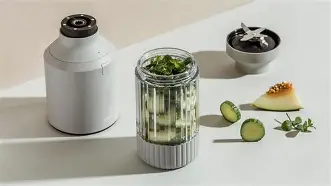
The Health Blender is a countertop appliance positioned between compact personal blenders and heavy-duty professional units. Typical specifications to expect from this product category include:
- Motor power: 600–1200 watts (with peak torque for short bursts).
- Blade assembly: Multi-pronged stainless-steel blades, often with tempered edge geometry for efficient shear.
- Container capacity: 0.6–2.0 liters, usually Tritan or glass options that are BPA-free.
- Speed settings: Variable dial or digital control with pulse function and several presets.
- Noise level: Often 75–90 dB during heavy load; some models include sound insulation or motor housing designed to dampen noise.
- Safety features: Lid interlock, motor overload protection, thermal cutoff.
- Accessory set: Tamper tool, travel cups, alternate lids, and sometimes a personal-size blending cup.
These specifications form the baseline for assessing performance in both typical household and more demanding use cases like preparing nut butters or hot soups.
Unboxing and Initial Setup
When the Health Blender arrives, the unboxing and initial setup are straightforward but important for long-term performance. The following steps reflect best practices drawn from common real-world experiences.
Step-by-step setup
- Inspect packaging: Remove the unit, pitcher, lid, tamper, and accessories. Check for any shipping damage and confirm all accessories listed in the manual are present.
- Clean removable parts: Wash the pitcher, lid, and tamper with warm soapy water and rinse thoroughly. Wipe the base unit with a damp cloth—do not submerge the base in water.
- Assemble carefully: Fit the blade assembly to the pitcher or ensure factory-fitted blades are secure. Align the pitcher with the base and test the interlock mechanism by gently twisting; it should seat firmly without play.
- Power and placement: Place the base on a stable, flat surface with at least 2–3 inches of clearance around it. Plug into a grounded outlet. Avoid extension cords for consistent power delivery on higher-watt models.
- Initial run: For the first use, run the blender empty for 10–15 seconds or with a small amount of water and a drop of dish soap to remove any manufacturing residues. Follow with a rinse.
These steps reduce the risk of early mechanical failures and ensure hygiene before food contact.
Detailed Product Review and Analysis
The Health Blender aims to deliver reliable blending for daily smoothies, meal prep, and light culinary tasks. The evaluation below breaks down performance dimensions that buyers typically care about: power and torque, blending quality, ease of use, maintenance, durability, and safety.
Power and Torque
Power correlates with the blender’s ability to process tough ingredients like frozen fruit, fibrous greens, and ice. A motor rated near 1000 watts will handle most household tasks with fewer stalls and reduced thermal stress. Torque—rather than raw wattage alone—determines the unit's capacity to crush dense materials. In practice, Health Blender models with variable speed control and a robust motor coupling tend to perform more consistently, especially when paired with a well-designed blade stack that promotes circulation.
Blending Quality
Blending quality is judged by smoothness, consistency, and the absence of large particulates. Multi-pronged blades with a slight coning profile encourage a vortex that pulls ingredients down toward the blades. In typical use cases like green smoothies and nut-based sauces, the Health Blender produces uniform textures on medium-to-high speeds. For thick blends—such as frozen dessert or nut butter—short bursts with pulse and occasional scraping (or use of a tamper if included) prevent air pockets and ensure complete homogenization.
Noise and Vibration
Noise is an unavoidable byproduct of high-speed motors. The Health Blender’s noise level typically ranges from noticeable to loud when processing ice or hard nuts. Vibration management is important; a heavy base, rubber feet, and tight tolerances around the pitcher mitigate movement on countertops. Buyers who live in small apartments or prepare coffee early in the morning may want to weigh noise level against motor power when choosing a model.
Ease of Use and Controls
Intuitive controls make daily use frictionless. A simple dial with labeled settings, pulse, and a few program buttons is often preferable to complex touch interfaces because it reduces setup time and the chance of accidental activation. Clear markings, tactile feedback, and a responsive pulse function are features that consumers frequently appreciate.
Shop the latest Electronics picks on Amazon.
View Offers →Cleaning and Maintenance
Cleaning is a decisive factor in whether an appliance becomes part of a daily routine. Removable blade assemblies that can be disassembled and dishwasher-safe containers are a boon. The Health Blender’s design should minimize crevices where food can lodge. Regularly check seals and gaskets for wear and lubricate or replace per the manual. Performing a quick rinse and a soap-and-water run immediately after use prevents residue buildup and extends service life.
Durability and Warranty
Durability depends on materials, motor housing, and the quality of the blade assembly. Metal blade bases, reinforced pitcher mounts, and heavy-duty bearings significantly extend life. Manufacturers often offer warranties ranging from one to five years; buyers should review warranty coverage for motor failure, glass breakage, and accessory replacement. Extended warranty plans can be beneficial for heavy users who make frequent use of high-load functions.
Safety Features
Common safety features include lid locks, automatic shutoff on overheating, and anti-slip feet. Interlock systems that prevent the motor from starting unless the container is properly seated are particularly important when blending hot liquids or when using the tamper. A robust thermal cutoff helps protect the motor from sustained stress during repeated heavy blends.
Real-World Use Cases
Understanding how the Health Blender performs across everyday scenarios helps buyers set expectations:
- Morning smoothies: Quickly processes leafy greens, frozen fruit, and protein powders to a drinkable consistency within 30–60 seconds.<…
1. Intended Use
Assess how the appliance will be used most often. For daily smoothies and occasional soup purees, a mid-power Health Blender provides the best balance of performance and price. For heavy pureeing and frequent nut butter production, consider a model with higher wattage and reinforced bearings.
2. Motor and Cooling
Motor construction determines resilience. Look for a motor with thermal protection, good ventilation, and a rated duty cycle. Units with intermittent-use ratings are less suitable for continuous or commercial tasks.
3. Blade Design and Material
Stainless-steel blades (SUS304 or similar) resist corrosion and retain sharpness. Multi-tiered blade assemblies improve circulation; consider models where the blade assembly can be serviced separately to avoid replacing the entire pitcher.
4. Container Material
Tritan plastic is lightweight and shatter-resistant; glass tends to be heavier and better at resisting long-term staining and odor retention. Verify that plastics are labeled BPA-free.
5. Ease of Cleaning
Dishwasher-safe pitchers and blade bases reduce friction in daily maintenance. Units that allow the blade assembly to be removed and rinsed thoroughly will stay hygienic longer.
Find top-rated Electronics products at great prices.
See Deals →6. Noise and Site Considerations
Noise level should be evaluated relative to living arrangements. If early-morning blends are common, a quieter model or location away from sleeping areas may be preferable.
7. Warranty and Support
Longer warranties and accessible customer service are worth extra investment if the blender will be used frequently. Check terms for motor coverage, pitcher breakage, and accessory replacement.
8. Accessories and Versatility
Included tampers, extra lids, travel cups, and specialized blades increase the blender’s utility. Evaluate which accessories are genuinely useful for the buyer’s intended recipes rather than being marketing additions.
9. Safety and Certifications
Look for safety markings and compliance with electrical standards relevant to the region. Lid interlocks, non-slip feet, and overheat protection are practical safety features to prioritize.
10. Budget and Long-Term Cost
Initial price is only part of ownership cost. Factor in potential replacement parts, accessory purchases, and energy consumption over time. Investing slightly more for a reliable motor often yields better lifetime value.
Maintenance, Troubleshooting, and Tips for Longevity
Proper care extends the Health Blender’s operational life and reduces the chance of common faults.
- Routine cleaning: Run warm water and a drop of dish soap on high speed for 30–60 seconds immediately after use; then rinse.
- Deep clean periodically: Disassemble the blade base (if supported) and clean gaskets and seals to prevent mold and odor.
- Prevent overheating: Allow the motor to rest during extended blending tasks. Blend in batches rather than trying to process very dense mixtures in one go.
- Inspect seals and bearings: Replace worn gaskets before leaks develop; listen for grinding noises that indicate bearing wear.
- Storage: Store pitcher and lid separated or slightly ajar to prevent trapped moisture that can cause mildew.
- Troubleshooting common issues:
- If the motor stalls, reduce load, add liquid, or use a pulse to re-establish circulation.
- If the unit does not start, check interlock seating and the power supply; reset thermal protection if necessary (per manual).
- For persistent vibration, verify the base is level and that the pitcher is correctly seated.
Accessories Worth Considering
Although the core Health Blender package typically covers everyday needs, a few accessories can enhance functionality:
- Tamper tool: For thick mixtures to keep ingredients close to the blades without stopping the motor.
- Alternate lids: Pour spouts or travel lids for quick servings on the go.
- Extra pitcher: Useful for prepping multiple recipes or avoiding cross-flavor contamination (e.g., shifting from savory to sweet).
- Blade replacement kit and seals: Having spares on hand simplifies maintenance and limits downtime.
Conclusion
The Health Blender occupies a compelling niche for buyers seeking something more capable than a personal blender but less cumbersome than a heavy-duty commercial machine. Its mix of motor power, safety features, and accessory options makes it versatile for morning smoothies, meal prep, and occasional heavy blending tasks. When setting up the Health Blender, following proper unboxing, cleaning, and assembly procedures reduces early wear and ensures optimal performance. Prospective owners should match the model’s wattage, container material, and warranty to their use case—prioritizing torque and cooling for frequent heavy blends, or compact size and noise control for small living spaces. With the right maintenance and sensible usage patterns, the Health Blender can become a reliable daily appliance that supports healthier eating habits and efficient kitchen workflows.