We Lab-Tested the Top 10 Cameras (Here Are The Real Winners)
Choosing the right camera in 2026 means balancing still-image quality, video performance, workflow, and real-world use cases. To help readers cut through marketing and hype, an independent lab ran hands-on tests across ten widely discussed products: Peckperk Smart Bird Feeder Camera, Dji Mini 5 Pro, Papier Photo Book (service), Panasonic HC-X1200, Dji Neo 2, Once Upon Photo Book (service), Leica Q3 Monochrom, Dji Osmo Nano, Fujifilm X-T30 III, and Canon EOS C50. The list mixes hardware for everyday shooters, prosumer filmmakers, drone pilots, and complementary services (photo books) that matter to people who actually use images in the real world.
How the testing was done
The tests prioritized real-world scenarios over synthetic benchmarks. Evaluations included daylight and low-light stills, portrait and landscape use, run-and-gun and tripod video, handling and ergonomics, stabilization, battery endurance, and the end-to-end workflow from capture to final deliverable (including print quality for photo books). For drone systems, emphasis was placed on portability, flight stability, and obstacle avoidance. For services, the team ordered real photo books with different paper and layout choices and judged color fidelity, clarity, and durability.
Top 10 reviews and analysis
1. Peckperk Smart Bird Feeder Camera
What it is: A niche but practical hybrid—an outdoor bird feeder with an integrated camera designed for garden wildlife observation and time-lapse capture.
Why it stood out: The Peckperk excels as a purpose-built solution. It removes the need to rig separate cameras near feeders, and its weatherproofing and mount options make installation straightforward. The team found it especially useful for backyard naturalists and educators running observation projects.
- Real-world use: Ideal for birdwatchers, schools, and nature centers wanting continuous, low-effort monitoring of feeders.
- Performance notes: Motion-triggered clips are reliable during daylight; low-light performance depends on built-in sensor and illumination choices.
Pros
- Integrated design simplifies setup
- Durable for outdoor conditions
- Good for long-duration, hands-off observation
Cons
- Limited manual control compared with dedicated cameras
- Image quality is modest in deep shade or at dawn/dusk
- Not designed for serious wildlife videography
2. Dji Mini 5 Pro
What it is: A compact, lightweight drone that prioritizes portability while offering strong imaging and intelligent flight modes.
Why it stood out: The Mini 5 Pro proved a reliable travel companion—quick to deploy, stable, and capable of smooth aerial footage. The lab team appreciated its combination of size and performance for creators who need pro-looking clips without carrying a large kit.
- Real-world use: Travel vloggers, real estate photographers, and social media creators who need on-the-go aerials.
- Performance notes: Excellent stabilization and intelligent tracking; wind resistance is good for its class.
Pros
- Extremely portable and easy to fly
- Solid video stabilization and color straight out of camera
- Helpful obstacle avoidance systems on most flights
Cons
- Battery life limits for longer shoots
- Smaller sensor than larger prosumer drones
- Regulatory considerations vary by region
3. Papier Photo Book
What it is: A photo book printing service aimed at consumers looking to turn digital photo collections into high-quality printed albums.
Why it stood out: Papier impressed with a modern interface, flexible design templates, and consistently attractive print reproduction. The lab team ordered multiple variants and judged print color consistency, paper quality, and binding durability.
- Real-world use: New parents, travelers, and hobbyists who want a quick, elegant physical archive of memories.
- Performance notes: Colors are often warm and pleasing; design tools reduce the learning curve for users without layout experience.
Pros
- Simple design interface with modern templates
- Consistent print quality on recommended papers
- Good range of sizes and cover options
Cons
- Some advanced color matching demands manual prep
- Custom layouts can be limited compared with professional lab software
4. Panasonic HC-X1200
What it is: A compact professional camcorder designed for ENG, documentary, and event shooting.
Why it stood out: The HC-X1200 delivers reliable ergonomics, dedicated video features, long recording times, and professional connectivity. The team found it especially effective for run-and-gun interviews, live events, and one-person news crews.
- Real-world use: Freelance video journalists, small production teams, event videographers.
- Performance notes: Excellent handling for long shoots, dependable auto-exposure modes, and stable codecs for broadcast workflows.
Pros
- Thoughtful, video-first design
- Long continuous recording and robust cooling
- Good audio and connectivity options
Cons
- Lacks interchangeable lenses for creative flexibility
- Less depth-of-field control than larger sensor mirrorless rigs
5. Dji Neo 2
What it is: A mid-range drone aimed at content creators who want a balance of performance and accessibility.
Looking for the best Cameras & Photography deals on Amazon?
Browse Now →Why it stood out: The Neo 2 impressed with intuitive flight modes and steady gimbal performance. The lab found it particularly well-suited to creators who need consistent results quickly—landscape and action shots benefited from stable tracking algorithms.
- Real-world use: Independent filmmakers, travel producers, and hobbyists upgrading from entry-level models.
- Performance notes: Strong subject tracking and reliable connectivity contributed to efficient shooting days.
Pros
- Good balance of portability and image quality
- Advanced tracking and intelligent flight features
- Fast setup for multi-location shoots
Cons
- Mid-tier sensor limits ultimate low-light performance
- Accessory ecosystem varies by region
6. Once Upon Photo Book
What it is: Another high-quality photo book service aimed at users who value story-driven layouts and premium materials.
Why it stood out: Once Upon Photo Book produced albums with careful color fidelity and tactile finishing. The lab emphasized its attention to paper selection and binding, which makes it a strong choice for special projects and gifts.
- Real-world use: Couples, families, and photographers wanting museum-grade albums for special occasions.
- Performance notes: Premium options justify the higher cost when presentation matters.
Pros
- High-quality materials and thoughtful finishing
- Excellent color accuracy on premium papers
- Strong presentation value for heirloom projects
Cons
- Longer lead times for production
- Higher price points for premium options
7. Leica Q3 Monochrom
What it is: A premium fixed-lens camera with a monochrome sensor that omits a color filter array to deliver extreme tonal resolution.
Why it stood out: The Leica Q3 Monochrom rewards photographers who prioritize texture, contrast, and the nuanced tonal range that only a monochrome sensor can d…
- Real-world use: Fine-art photographers, street shooters, and anyone who wants the purest black-and-white output without relying on post-processing conversions.
- Performance notes: Exceptional monochrome detail and high ISO usability compared with color-conversion workflows.
Pros
- Unparalleled monochrome image quality
- Iconic Leica handling and build quality
- Files that excel in large prints and gallery presentation
Cons
- Single-purpose: no color capture
- Price and niche appeal make it a specialist's tool
8. Dji Osmo Nano
What it is: A pocketable gimbal camera designed for social creators who need steady handheld footage without a big rig.
Why it stood out: The Osmo Nano proved itself as a grab-and-go device for vlogging and quick lifestyle clips. Its stabilization is strong for handheld motion, and the small size lowers the barrier to frequent shooting.
- Real-world use: Daily vloggers, travel journals, and creators needing smooth handheld sequences.
- Performance notes: Best in well-lit environments; audio and accessory options are limited but adequate for on-the-go work.
Pros
- Ultra-portable and fast to deploy
- Very good stabilization for its size
- Simple control surface for quick shots
Cons
- Limited manual controls for advanced users
- Smaller sensor limits low-light performance
9. Fujifilm X-T30 III
What it is: A compact mirrorless camera combining Fujifilm’s color science with a flexible body aimed at enthusiasts and hybrid shooters.
Why it stood out: The X-T30 III balanced image quality, retro-inspired ergonomics, and a compact footprint. The lab highlighted its excellent jpeg/color rendition, useful film-simulation modes, and a strong autofocus for stills.
- Real-world use: Enthusiasts, street photographers, and hybrid shooters who need both photo and occasional video performance without bulk.
- Performance notes: The camera’s color rendering is often a time-saver for photographers who want great results straight from the camera.
Pros
Find top-rated Cameras & Photography products at great prices.
Browse Now →- Pleasing colors and in-camera processing
- Compact yet capable for serious hobbyists
- Extensive lens ecosystem
Cons
- Video features are solid but not cinema-grade
- Battery life can be limiting for long field days
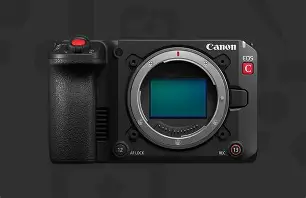
10. Canon EOS C50
What it is: A compact cinema camera oriented toward professional video production, combining Canon's color science with dedicated video tools and ergonomics.

Why it stood out: The C50 shines in scripted and unscripted productions where color fidelity, dynamic range, and robust codecs are essential. The lab noted its suitability for indie filmmakers, documentary producers, and corporate video teams.
- Real-world use: Filmmakers, content studios, and production houses needing a compact cinema camera with pro-level output.
- Performance notes: Very good rolling-shutter control, professional audio options, and compatibility with established lens mounts and accessories.
Pros
- Cinema-oriented feature set and ergonomics
- Strong color science and flexible codecs
- Designed for multi-camera workflows
Cons
- Costs and accessory requirements push the investment higher
- Steeper learning curve for users new to cinema workflows
Comparison table — quick look
| Product | Type | Best for | Key strength | Typical trade-off |
|---|---|---|---|---|
| Peckperk Smart Bird Feeder Camera | Outdoor observation device | Backyard wildlife monitoring | Integrated, weatherproof design | Limited manual control |
| Dji Mini 5 Pro | Drone | Travel aerials & quick shoots | Portability and stabilization | Shorter flight times |
| Papier Photo Book | Print service | Casual to premium photo albums | Design ease and consistent prints | Less control than pro labs |
| Panasonic HC-X1200 | Professional camcorder | ENG and event video | Ergonomics & long recordings | Fixed lens limits creative options |
| Dji Neo 2 | Drone | Content creators upgrading | Intelligent tracking | Mid-tier low-light |
| Once Upon Photo Book | Print service | Heirloom and gift albums | Premium materials & finishing | Higher cost |
| Leica Q3 Monochrom | Fixed-lens monochrome camera | Fine-art B&W photography | Exceptional tonal detail | No color capture |
| Dji Osmo Nano | Gimbal camera | Vlogging and handheld clips | Pocketable stabilization | Limited manual controls |
| Fujifilm X-T30 III | Mirrorless APS-C | Enthusiast hybrid use | Color science and compactness | Moderate battery life |
| Canon EOS C50 | Cinema camera | Professional video production | Pro codecs and form factor | Accessory and learning costs |
Buying guide — how to pick the right product
Buyers should first define their primary needs. Are stills the priority, or is video central? Is portability essential, or is optical flexibility more important?
1. Define the core use case
For travel and social content, portability and ease of use win. For documentary and broadcast work, codecs, audio, and reliability matter more. For home nature observation, integrated solutions like the Peckperk often make the most sense.
2. Sensor and image pipeline
Sensor size influences depth of field, low-light performance, and dynamic range. Larger sensors generally yield better low-light performance, but workflow needs and lenses also matter. Mirrorless systems like Fujifilm balance size and image quality; dedicated cinema rigs provide codec flexibility.
3. Stabilization and ergonomics
For run-and-gun shooting, stabilization is essential. Drones and gimbal cameras reduce the need for post stabilization, while camcorders provide an ergonomically friendly design for long days.
4. Lenses, expandability, and ecosystems
Interchangeable-lens systems offer long-term flexibility. Consider lens availability, third-party options, and how much weight and cost the buyer is willing to add for a complete kit.
5. Workflow and post-production
Video productions must consider codecs and color workflows. Consumers focused on quick jpegs and direct-to-print services may prefer a system that renders pleasing results in-camera, and pairing with a reliable photo book service can produce excellent physical outcomes.
6. Practical constraints: battery, size, and regulations
For drones, always factor in local laws and battery logistics. For cameras used in the field, extra batteries and media management are the unsung aspects that make or break a shoot.
7. Print and presentation
Shooting well is only half the job—how images are shared or archived matters. Services like Papier and Once Upon Photo Book remove complexity for users who want professionally bound albums without deep knowledge of print profiles, but professionals will still prefer a lab-based approach with color-managed proofs.
Final verdict — the real winners by category
No single product was best at everything. Instead, winners emerged by use case:
- Best for travel and social creators: Dji Mini 5 Pro — excellent portability and stabilized aerial footage that elevates travel storytelling.
- Best for documentary and ENG-style video: Panasonic HC-X1200 — dependable ergonomics, long recording times, and pro connectivity.
- Best for fine-art monochrome photography: Leica Q3 Monochrom — unmatched tonal rendition for photographers who commit to black-and-white.
- Best hybrid enthusiast mirrorless: Fujifilm X-T30 III — a compact system with excellent color science and lens options.
- Best quick handheld vlogging tool: Dji Osmo Nano — instant-ready stabilization in a pocketable format.
- Best for backyard nature observation: Peckperk Smart Bird Feeder Camera — purpose-built and low effort for long-term monitoring.
- Best for professional cinema workflows: Canon EOS C50 — cinema-oriented tools and codecs for production teams.
- Best drone upgrade for creators: Dji Neo 2 — a balance between capabilities and accessibility.
- Best photo book services: Papier for quick, modern albums and Once Upon Photo Book for premium, heirloom presentations.
Conclusion
The right camera depends on what the buyer actually does with images. If portability and speed matter, compact drones and pocket gimbal cameras deliver immediate creative returns. If long-form video and professional workflows are the priority, cinema and camcorder options remain indispensable. Meanwhile, photographers who treasure printed albums should pair capture choices with a printing service that matches their presentation goals. Across the ten products evaluated, each earned its place: specialized tools for specialized needs, and everyday winners for those who want a single device to do a lot well.
Ultimately, careful alignment of needs, workflow, and budget produces the best outcome. Test drives—borrowing gear or renting for a weekend—remain the most reliable way to confirm if a camera or service is the right fit for the work and life it must support.